Highlights

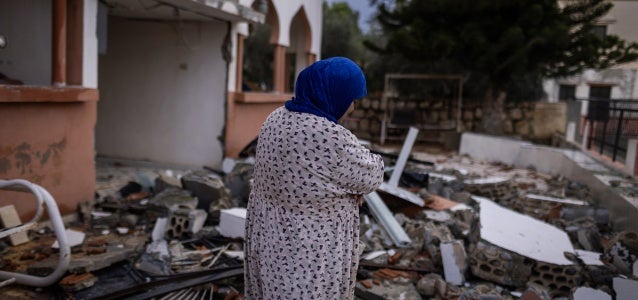
Following the ceasefire reached on 27 November 2024, around 80 per cent of internally displaced persons are estimated to have returned to their places of origin. However, many others are unable to return to their communities due to damage and destruction, as well as restrictions imposed by the Israeli Army. Of the 20 percent that remain internally displaced, 52 per cent are women and girls.
The Gender Statistical Profile (GSP) is an annual publication of the UN Women Country Office of Lebanon. It is co-branded with Gender Working Group as a collaborating partner and Sweden as the funding partner. The GSP provides an overview of gender statistics across thirteen areas related to global normative framework and indicators across the humanitarian, development and peace nexus.
Throughout this journey, we will take you through the many kinds of obstacles women in Lebanon are bound to face in their #QuestforEquality...
Featured video
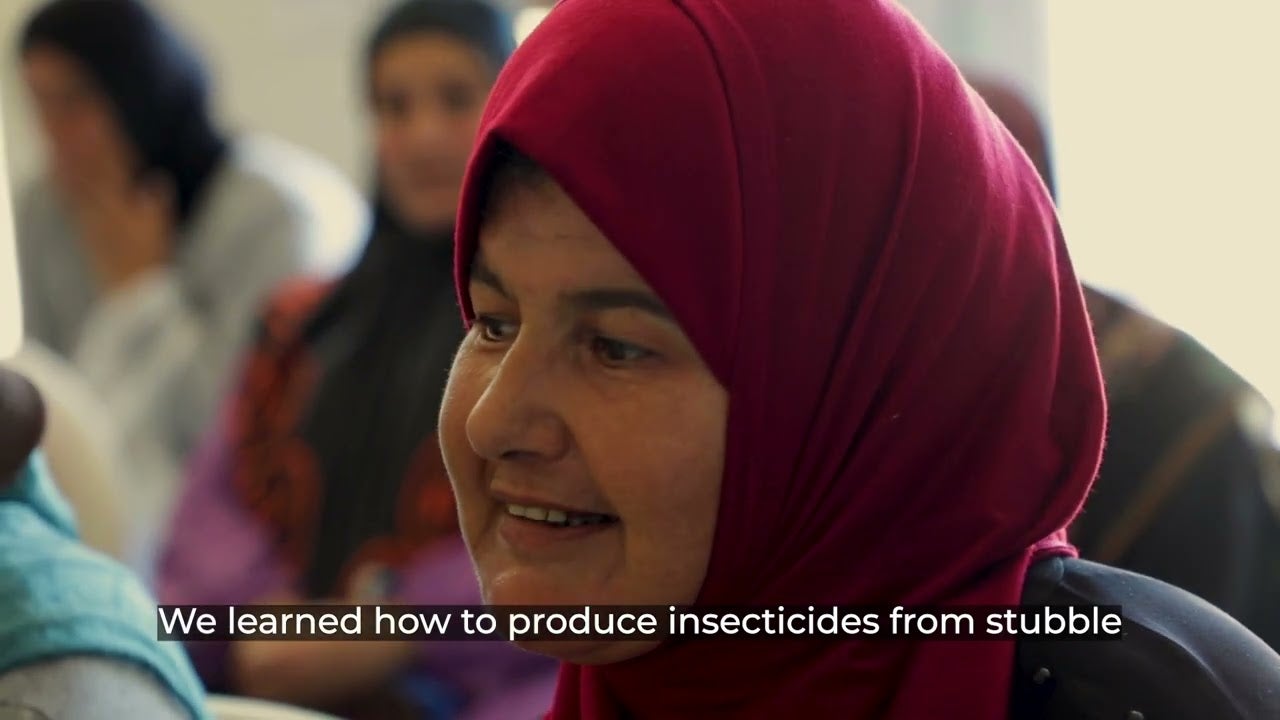
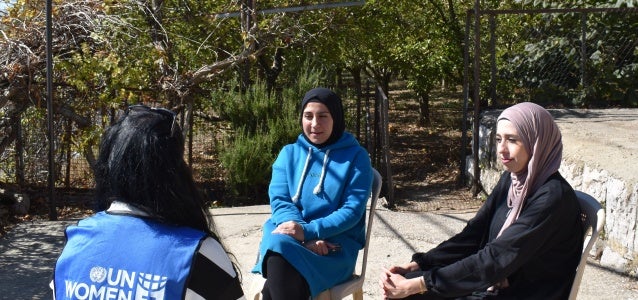
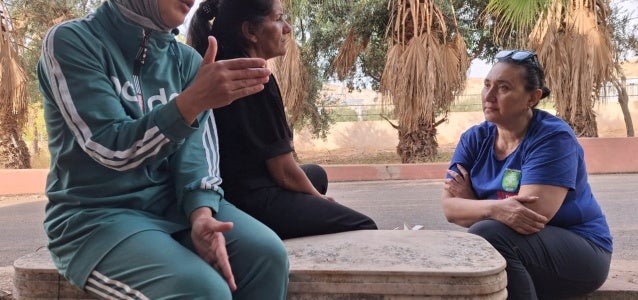
To build the resilience, self-reliance and leadership of internally displaced women in South Lebanon, UN Women in partnership with the Disaster Risk Reduction Unit (DRR) under the Union of Municipalities of Tyre and local NGOs is working to enhance the livelihoods and protection of nearly 4,500 women and their families in South Lebanon.
Listen to Noha who, through cash-for-work in sustainable agriculture, is learning alongside other internally displaced women about organic farming. These women have started rehabilitating 10,000 square metres of government-owned agricultural land in Sour (Tyre), in South Governorate, to grow seasonal vegetables and herbs. The project restores a sense of agency and dignity to the displaced women, empowering them to take control of their food choices and preparation.